

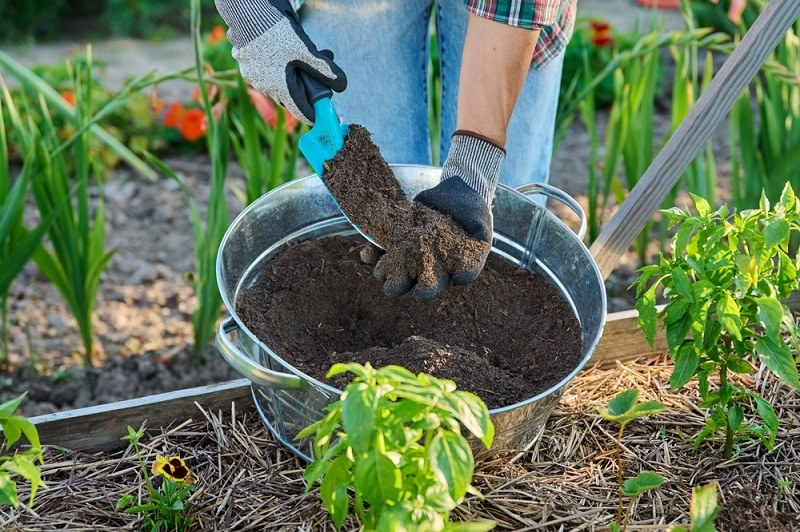
Every gardener wants their garden to look bright and green because healthy leaves make a home feel happy. Using natural fertilizer for plants is a great way to help flowers grow without harsh chemicals that might harm the soil. Making homemade plant fertilizer is actually quite fun and saves a lot of money at the store. If you want to use organic plant nutrients, here's what really matters: you must give the soil what it needs to stay strong. Let us break it down so your garden can be the best one on the whole block.
The dirt in a pot or a backyard can run out of food after a while. When a person uses natural fertilizer for plants, they are putting good stuff back into the ground so the roots can take it up. This kind of organic plant care is much better for the earth and the little bugs that live in the grass. What this really means is that your veggies will taste better and your roses will smell much sweeter. Most organic plant care methods are very simple and only take a few minutes of your time each week.
Here is why nature provides the best food for your greens:
If you are looking for the best fertilizer for houseplants, you should know that indoor dirt needs extra love. Since rain does not wash into the pots, organic plant nutrients must be added by hand. Even a small amount of natural fertilizer for plants can make a sad leaf turn bright green again in just a few days.
Helpful Article: Seasonal Garden Plant Care: Year-Round Growth Tips
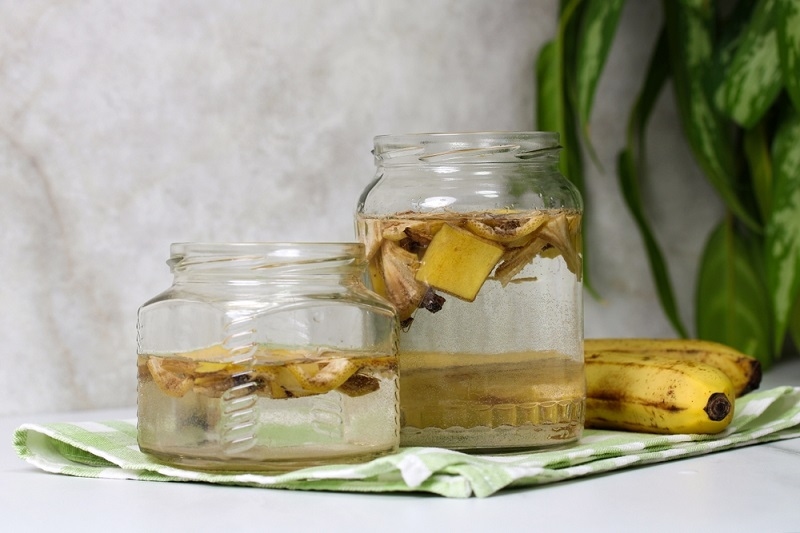
Most folks throw away things that are actually gold for a garden. Making homemade plant fertilizer is as easy as saving your breakfast leftovers. For example, eggshells are full of calcium,, which helps stems grow very tall and sturdy. Another great homemade plant fertilizer is coffee grounds, which add nitrogen, making leaves look very dark and healthy.
To make your own homemade plant fertilizer, try these easy steps:
Using homemade plant fertilizer is a smart way to be kind to the planet. These organic plant nutrients are exactly what nature intended for things to grow big. When you follow these plant-feeding tips, you will see that you do not need a big bag of blue powder to have a pretty porch.
Deep Dive Into the Topic: Soil Preparation: Creating the Perfect Base for Your Garden
Indoor plants are like pets because they depend on you for everything. Finding the best fertilizer for houseplants means choosing one that doesn't smell bad in your living room. Many organic plant nutrients, like liquid seaweed or compost tea, are perfect for this. These plant care tips help ensure your spider plants do not develop yellow spots along their edges.
Here is the thing about indoor feeding:
Choosing the best fertilizer for houseplants often depends on the type of leaf. A cactus likes different food than a tropical lily does. Reading up on organic plant care for each specific friend in your house will make you a pro in no time. If you use the right natural fertilizer for plants, your indoor jungle will look like a magazine cover.
Knowing when to give food is just as important as knowing what to give. These plant-feeding tips will help you avoid mistakes that could hurt your garden. Most organic plant care experts say that consistency is the secret to a lush yard. If you forget to give organic plant nutrients for a long time, the plant might stop making flowers.
Let us look at a simple schedule:
What this really means is that organic plant care is about listening to and watching what your garden tells you. If the leaves look pale, they might need some natural fertilizer for plants. Following these plant feeding tips makes sure you are a good helper to your green friends.
In-Depth Guide: Sustainable Gardening Trends Shaping US Homes in 2026
Using natural fertilizer for plants is a wonderful way to grow a beautiful garden while staying safe. By trying homemade plant fertilizer and following simple plant feeding tips, your thumb will turn green in no time. Start your organic plant care journey today by saving those kitchen scraps for your dirt.
Yes, it often is! While store-bought fertilizers are very effective, homemade plant fertilizer provides a wider range of minerals that help the soil stay alive and healthy for a long time.
If a plant is struggling, try a very weak tea made from compost. These organic plant nutrients are gentle and won't shock the tired roots while they try to get better.
The biggest tip is always to use half of what the label says. With natural plant fertilizer, it is much harder to cause damage, but it is still good to be careful and go slow.
Sometimes healthy plants that get plenty of organic plant nutrients are much stronger. This means they can fight off pests and diseases better than a weak, hungry plant.
This content was created by AI