

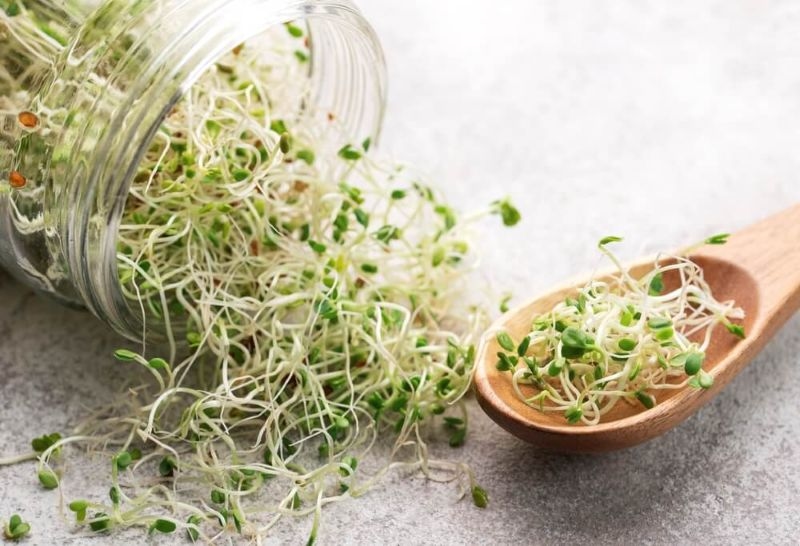
If you wander into a health food store, a local farmers' market, or a busy café in the US today, you will see tiny, colorful greens everywhere. They are piled onto avocado toast, mixed into grain bowls, and scattered over restaurant plates like edible confetti. These are microgreens, and they are quickly becoming one of the most significant superfood trends of the decade.
This is far more than just a food influencer fad. The science behind microgreens is quite solid, the health benefits are real, and you can grow them yourself on a windowsill for just a few dollars. Let’s look at why these tiny plants are making such a big splash.
Before we jump into microgreens nutrition, it helps to define exactly what they are. So, what are microgreens? They are the young seedlings of vegetables and herbs, typically harvested 7 to 21 days after they germinate. They occupy the space between sprouts and baby greens. You can think of them as the early growth stage of a plant, where the nutrients are already highly concentrated.
There are more than 60 common varieties, including radish, broccoli, sunflower, pea shoots, arugula, and mustard. While they first gained popularity in California kitchens during the 1980s as simple garnishes, they have evolved into a major pillar of modern superfood trends.
The reason microgreens' nutrition is so impressive comes down to density. Research indicates that these small plants can hold 4 to 40 times more vitamins and minerals than their fully grown counterparts. One specific analysis that looked at 25 different types confirmed that these tiny plants often pack a much bigger nutritional punch than their full-grown versions. It is fascinating how much power is crammed into such a small package.
The real magic behind microgreens' health benefits comes from their dense internal chemistry:
Broccoli varieties are especially famous because of a compound called sulforaphane. Researchers are obsessed with its anti-inflammatory potential. When you think about it, eating just a small garnish can actually give you more concentrated microgreens nutrition than sitting down to a massive bowl of mature vegetables. It's essentially nature's version of a high-potency supplement.
Explore More: Organic Gardening Guide: Grow Naturally and Sustainably
When you actually look into the data on microgreens' benefits, the science feels incredibly promising. It is not just hype; there is a real physiological basis for why these tiny plants are so effective.
Even though a lot of this work started in high-tech labs or animal models, nutritionists all over the US aren't waiting around. They are already pushing these greens as a brilliant, low-effort way to upgrade your daily nutrition.
The superfood trends data paint a clear picture of growth. The global market for these greens was valued at roughly $3.5 billion in 2025 and is expected to pass $10 billion by 2035. In the United States, this growth is fueled by a demand for functional foods and the rise of urban farming. You can now find them in major stores like Whole Foods and even some local convenience shops.
One of the best parts about microgreens' health benefits is that you don't need to spend a lot of money to get them. Learning how to grow microgreens in your own home is remarkably easy and very affordable.
What you will need:
How to grow microgreens in 6 easy steps:
Must read: Sustainable Gardening Trends Shaping US Homes
Microgreens are certainly not a gimmick. They represent a nutrient-dense and sustainable way to eat that fits perfectly into the modern focus on whole, plant-based foods. Whether you grab a container at the store or start a small tray on your windowsill, adding them to your routine is a very simple health win. Small plant. Big impact. Your next healthy meal starts with just a few seeds.
Most varieties won't grow back once cut because you remove the growing tip. However, pea and fava bean shoots sometimes provide a second, smaller harvest if you leave the lowest leaves intact. Generally, it is best to compost the soil and start fresh with new seeds for maximum nutrition.
Yes, typically. Sprouts are grown in warm, moist water, which can be a breeding ground for bacteria. Microgreens are cultivated in soil or on mats that facilitate airflow and light penetration, which substantially reduces the chance of contamination. But, as always, make sure to use clean water and snip with sterilized scissors, that way you'll know your homegrown crop is safe and sound for your family.
To keep them crisp, gently pat them dry after harvesting. Place them in a glass container lined with a dry paper towel to absorb excess moisture. Keep them in the refrigerator, and they should stay vibrant for about five to seven days. Avoid washing them until right before eating.
This content was created by AI