

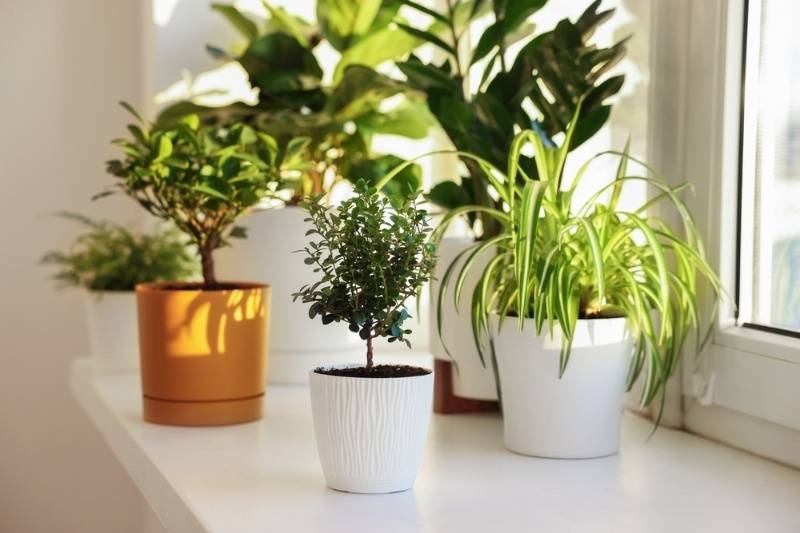
The best plants for home gardening are those that grow easily and need simple care in daily life. They help improve air, add beauty, and create a calm space at home.
This blog will help you find out the 7 best plants for home gardening and tips to grow indoor plants. It will also explain how to choose the right seasonal gardening plants.
Must Read: Gardening in the Balcony Tips for a Calm Green Space
Choosing plants should not feel confusing. It should feel natural, almost obvious after a point. The following plants are easy to grow and adapt well to different home environments.
Snake plants stand out because they survive almost anything. It does not need regular watering and grows well in low light. People often forget about it for days, yet it stays strong and green without showing stress.
Lavender brings a soft fragrance that changes the feel of a space instantly. It prefers sunlight and does not need too much water. Once it settles in, it grows quietly and does its job without asking for attention.
Aloe vera is simple and useful at the same time. It grows well in small spaces and does not need frequent watering. The leaves store water, which makes it perfect for people who often forget plant care routines.
Basil grows fast when placed in warm conditions. It needs sunlight and regular watering, but nothing complicated. It adds freshness to the space and is also useful in daily cooking, which makes it a practical choice.
Peace lily grows well indoors and does not need strong sunlight. It tells when it needs water by slightly dropping its leaves, which makes care easier. It also helps improve indoor air quality over time.
Rosemary prefers sunlight and grows well with limited water. It has a strong smell that adds character to the space. Many people keep it close to kitchens because it is useful and easy to manage.
Succulents are made for people who want plants without effort. They store water in their leaves and survive dry conditions easily. They come in many shapes, and somehow, they always look neat without trying too hard.
Top Pick: Sustainable Gardening Trends Shaping US Homes in 2026
Outdoor garden plants change how a home feels from the outside. They add life to spaces that would otherwise feel empty. You can use outdoor plants to create a peaceful area where people naturally want to spend more time.
They also support natural growth by attracting birds and insects. This balance helps the garden stay healthy without constant attention. Some plants even help reduce heat around the house, which makes the environment more comfortable.
You can check the following list to understand the key features of low-maintenance plants:
These plants adapt to different conditions without much struggle. For instance, they can thrive in poor soils and remain healthy. When conditions change, they continue growing without requiring much support.
They do not require daily watering to thrive. Skipping a day or two does not affect them adversely. This means they are ideal for individuals with tight schedules.
These plants grow in a manner that does not require trimming. This means they remain neat for a longer period.
The following list will help you with the best tips to grow indoor plants USA:
Placement is very important for the growth of indoor plants. You can keep the plants near windows with soft sunlight that helps them to grow better.
Watering too much can harm plants more than watering less. It is better to check the soil before adding water. Slight dryness is often safer than too much moisture.
Pots with drainage help remove extra water. This keeps roots safe and prevents damage over time. It is a small detail, but it changes how plants grow.
You can check the list of steps below to learn how to choose the right seasonal gardening plants:
Plants also thrive better if matched to the climate. Understanding the weather is important to ensure that the plants are those that thrive without any additional care.
Plants require different amounts of light, such as full sun or shade. Understanding this is important to ensure the plants are matched to their light requirements, preventing damage or slower growth.
Grouping plants that require similar care is important. This ensures that the plants require similar amounts of water and light, eliminating confusion.
Plants that thrive in different seasons are important to ensure that there is always something growing, regardless of the season.
The best plants for home gardening are those that make our lives easier, not harder. With simple decisions and minimal maintenance, we can all create a healthy green space around us. These plants create balance, beautify our surroundings, and thrive without requiring much time or effort in our daily activities.
The easiest plants for a beginner are the ones that require less care and attention. Snake plants and aloe vera are the two most common examples of these plants. These plants can grow properly with less water and can survive in different low-light conditions.
Indoor plants need the right amount of lighting and watering to achieve healthy growth. You must make sure that they are not overwatered because the pots should have drainage holes. It is also essential for you to clean the leaves and check the soil condition regularly.
Not all plants need direct sunlight to grow properly. Some plants prefer indirect or low light conditions and still grow well. It depends on the type of plant. Understanding the light needs of each plant helps in placing them correctly and supports better growth without causing damage.
This content was created by AI