

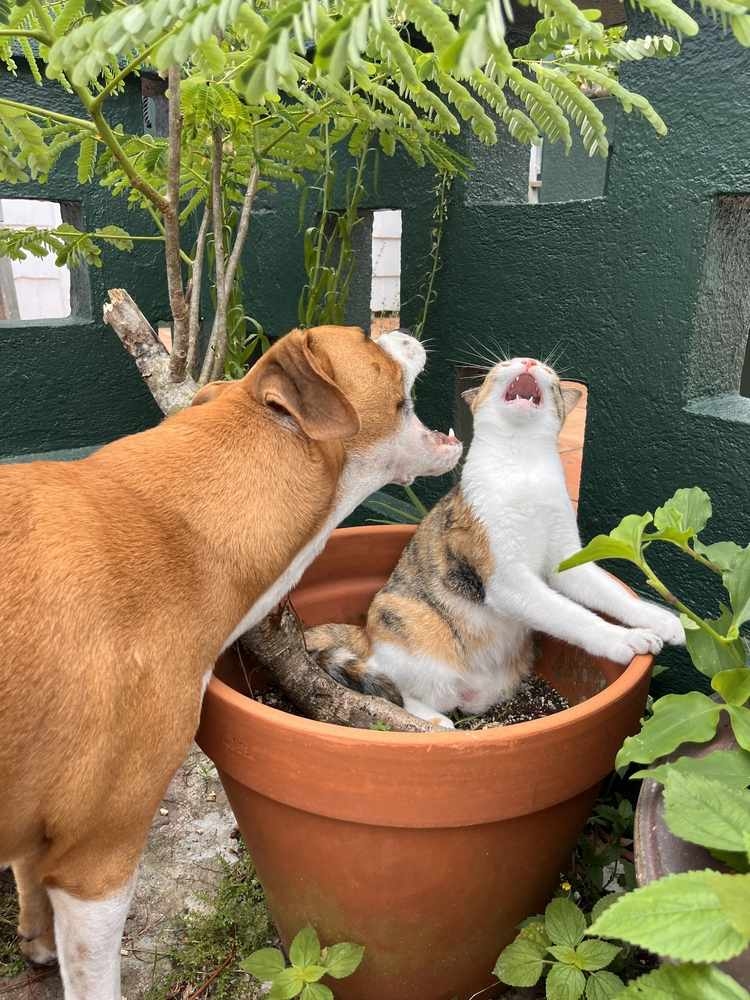
Pet-friendly plants help you enjoy the greenery at home and protect your curious cat or dog from unneeded harm.
Fortunately, there are many pet-safe plants, and they tend to be beautiful, simple to care for, and work well in a range of spaces. But there's more to knowing pet-safe plants than simply going with "natural.
First things first, know what you are purchasing. Common names and plant labels in the store can be misleading. Look up the plant's exact botanical name to get better information before you bring it home.
Other plants are suitable for pet-friendly homes because they will survive in typical home environments. Common houseplants, such as the spider plant, Boston fern, areca palm, and calatheas, are popular choices for homes with cats and dogs. However, no plant should be assumed safe for pets to consume.
For the ultimate list of pet-safe plants for cats and dogs, consider non-toxic plants for pets that are easy to grow and should be suitable for your living environment. That stunning houseplant that's pictured all over the internet might not do so well in your room if you don't have sunlight or high humidity or have limited space. Let's see which plants are non-toxic to pets. Some popular options include:
All of these options are a good alternative when you are looking for pet-safe plants for cats and pet-safe plants for dogs. But be sure to double-check the specific variety before you buy because there can be differences in the name and safety of a plant.
It is a really important question to ask before buying your greenery. The more well-known, safer options tend to be spider plants, Boston ferns, areca palms, calatheas, and some orchids. But all pet-safe plants should be double-checked against their specific species.
Look for the botanical name of the plant you're interested in when checking a plant's toxicity level to pets. The botanical name of a plant is easier to find if shopping online, as online sellers often use shorthand or more colloquial names for plants. Good plant and animal-toxicity resources can verify your pick.
It is important that the pet-friendly houseplants suit your lifestyle and your pet. The need for light is important because a pet-friendly houseplant will not last if it is out in the elements. Think about where your home gets the best sunlight for your plant and what time you can commit to caring for the plant. When choosing indoor plants, consider:
Well-positioned plants will make taking care of pet-friendly houseplants easy and will help minimize damage. If your pet is likely to investigate your houseplants, hanging pots and sturdy overhead displays are very beneficial.
How to Select Pet-Safe Houseplants for Cats and Dogs: The first step is to know the specific type of plant and search for reliable resources about its use on cats and dogs. Pet-safe houseplants: Cat and dog owners should not rely on a social media post or a seller's catalog.
Consider what your pet does while you are away. For example, a cat that climbs the furniture to get to a plant or a dog that snatches the leaves from a low-hanging branch. Non-toxic plants for pets in an accessible location: repeated nibbling may upset the stomach.
Being aware of how to identify a plant that is non-toxic to animals can save a lot of headaches and potential harm. Search your plant's scientific name and verify if it's toxic, nontoxic, or some combination thereof. If you have both cats and dogs, look up the plant for each individual.
Keep in mind, non-toxic for pets, plants are not completely safe. Consuming a large quantity of leaves, stems, flowers, or dirt can result in an upset stomach. If a pet consumes an unfamiliar plant and exhibits vomiting, excessive salivation, weakness, difficulty breathing, or other symptoms, call a veterinarian right away.
Pet-friendly houseplants can be used in every room when you choose the right plants and place them properly. Use heavy containers, clean up fallen leaves, and keep fertilizers and other plant-care products away from animals. If your pet has a digging habit, a heavier container or a covered soil surface will also work.
A green home doesn't have to mean an abundance of plants in every room. A few well-placed pet-safe plants can add lots of visual interest. When in doubt about the safety of an individual plant, it's better to opt for an identified safe plant.
Houseplants that are safe for pets can bring color, texture, and freshness to the house, as well as freedom from concern over dangerous ones. Known as safe plants, common species include areca palms, calatheas, Boston ferns, orchids, bamboo plants, and spider plants; make sure you double-check the species when shopping! Maintain a healthy, pet- and family-friendly home by owning the right indoor plants.
Yes, dogs and cats can sometimes have a reaction to some plants, even if they are deemed to be non-toxic. A plant might cause skin or GI irritation if it is chewed, eaten, or otherwise comes in contact with your pet. If you see changes, remove the plant and speak with your veterinarian.
Hanging plants may also reduce access, but they do not guarantee safety. Cats are superb climbers and can possibly reach plants on shelves or hanging near furniture. Use only securely attached hanging containers, and select verified "cat-friendly" plants.
Yes. Fertilizer, pesticides, mold, and more are all hidden in your soil and can create issues if ingested. Some animals love to dig in pots too. Be sure to keep soil out of reach and store your gardening products safely.
Of course, not all flowers are good for pets. Several flowering plants are very toxic, while others are less dangerous. Identify the specific flower or plant before bringing it into your house, especially if your pet is known to chew on flowers or leaves.
Clear any plant material away from your pet and try to identify the plant by its common or Latin name or a photograph. Do not attempt to make your pet vomit unless directed to do so by a vet. Call your vet straight away if you are worried.
This content was created by AI