

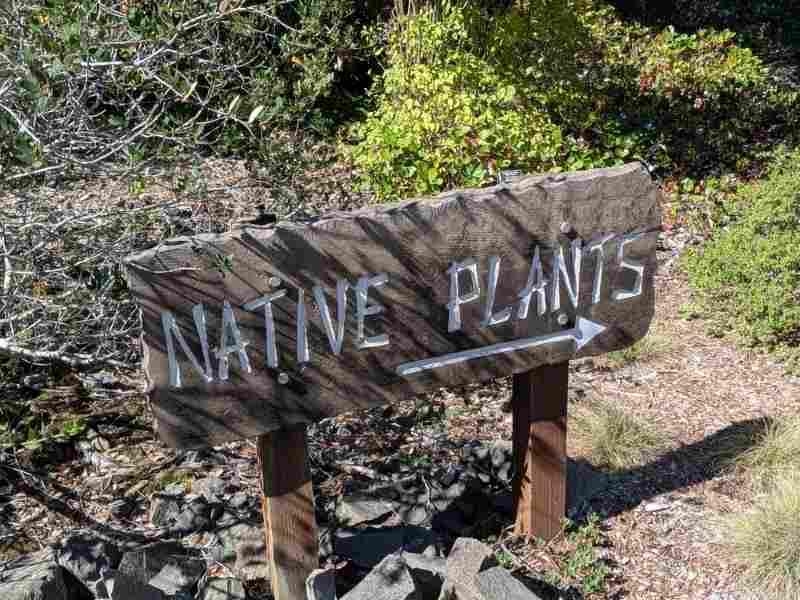
For 2026 gardening, the trends forecast a more aesthetically attractive, useful, and ecologically friendly garden. Due to the desire for a low-maintenance, wildlife-friendly garden, natives are the key plants. They not only grow well with local climatic conditions, but they are also easy to grow and provide habitats to creatures of nature. With growing acceptance of low-maintenance gardens, native plants are gaining a following.
Native plants are species that have existed in a region for thousands of years. It includes plants, animals, insects, birds, and climate patterns of a place and has occurred naturally in that specific environment without human intervention.
The ability to thrive in the local conditions means that native garden plants require less water and upkeep compared to many non-native, imported plants. It has many ecological functions and helps in the balance between plants and wildlife. From ornamental grass and flowering perennials to shrubs and trees, native plants offer a diverse range of possibilities to create landscapes that support local biodiversity.
There are a few reasons why native garden plants are becoming more popular. A major reason is that they require low-maintenance gardens. Many homeowners are tired of watering, fertilizing, and spraying plants for pests and insects.
In the second place, environmentalism has played a part in the increased interest in native garden plants. Many homeowners are looking for ways to create eco-friendly landscapes. These plans conserve resources and have wildlife-friendly benefits, which the native garden plants support as they have been a part of their ecosystems for centuries.
Lastly, homeowners are seeking out a more natural landscape. Formal gardens are giving way to landscapes that feel more harmonious and connected to their surroundings.
Here's Something Helpful: Best Low-Maintenance Plants That Are Resistant to Drought
Many native plant benefits exist that make these plant varieties an attractive choice for today’s landscaping.
Not only is native plant gardening a way to improve outdoor aesthetics, but it can also benefit local wildlife. Numerous species of native birds, insects, bees, and butterflies depend on native plants for shelter and nourishment. Certain butterfly species are only capable of reproduction on specific host plants that belong to native flora; eliminating the plant eliminates the insect.
With native planting, many forms of wildlife can get nectar, pollen, seeds, berries, and nesting material readily accessible. Even a small native garden can be a refuge for numerous species and will thrive through all seasons. As our cities grow larger, it's more important to provide vital habitats to native wildlife species, so they are able to thrive in their shrinking ecosystems.
Selecting local plant species is arguably the most sensible way to create a garden that will flourish for years to come. Local plants have already adapted to the conditions unique to each particular environment, such as the rain, weather patterns, and soil types found in your area.
Local plant species tend to thrive more quickly and with less ongoing effort due to their natural ability to adjust to specific conditions found in your locale. This saves you time and money over time. Local plant species also contribute to the unique landscape identity of your region and promote a healthy local environment. It would make sense to make an investment in local plant species that are already prepped to do well in your location.
There are numerous reasons why native plant species are so vital in every ecosystem. They benefit many different pollinators such as insects, birds, butterflies, and more. Without pollinators, the overall reproductive process would diminish significantly.
These important creatures struggle to survive due to a lack of resources as natural habitats shrink, making pollinator-friendly plants something many homeowners consider in their gardens.
Native plant species often fulfill a pollinator's dietary needs with nectar and pollen in a natural form. Pollinator-friendly plants encourage a garden that is rich in butterflies, bees, and birds while still contributing to a vibrant natural landscape.
Homeowners are choosing environmentally friendly methods for their gardens by taking on the role of sustainable landscaping. Native plants can offer great relief to this problem by making this process sustainable. By already being acclimated to the environment, native garden plants require less water and fertilizer than many non-native plants. This saves a lot more money, uses fewer resources, and is more environmentally responsible.
Native garden plants are also a wonderful complement to local wildlife, and their deep root systems will help combat erosion as well as the native environmental conditions, such as dryness and extreme weather events, much better than other plants. Sustainable landscaping requires a natural flow, and with such positive features, native plants offer quite the logical choice when making your landscape design.
The home gardener asks, "Why are native plants better for home gardens in 2026?" They are better for modern, sustainable, and functional gardening practices.
The numerous native plant benefits can provide all aspects of gardening at lower costs and with higher rates of sustainability while encouraging local wildlife into our lives. Investing in local plant species supports your local environment, and a variety of pollinators will thrive when planted with the right pollinator-friendly plants in your sustainable landscaping. This ensures a more vibrant, durable, and cost-effective garden for many years to come.
Learn More: The Science Behind Photosynthesis: Nature’s Energy Miracle
Native plants represent an exciting and logical approach for gardeners seeking more sustainable and ecologically responsible outdoor spaces. Homeowners are recognizing the many native plant benefits of low-maintenance and nature-friendly gardens, which also encourage local wildlife into their yards.
Native plant gardening is the ideal solution for the modern, cost-conscious gardener looking to implement a successful strategy. By including local plant species, embracing pollinator-friendly plants, and applying sustainable landscaping principles, the home gardener is able to develop a garden that will benefit people and the planet for years to come.
Yes, many beneficial insects utilize native plants as a food source, as a place to live, and as a place to reproduce. Many of these beneficial insects help control pests, assist in pollinating flowers, and provide many other advantages to ecosystems. Diverse arrangements of these plants attract numerous beneficial insect species to a yard.
Yes, many species of these plants grow well in containers. As long as these plants are grouped with regard to their particular environmental needs, the needs of plants that are planted in containers are usually very easy to meet. Container gardening with these plants will be especially helpful for people who do not have their own yards or have small patios or balconies where plants can be kept.
Often, these plants will become less expensive over time to grow and maintain because there are certain water and fertilizer needs that these plants, due to their adaptation to the native environment, often don't have. Long-term expenses of these plants usually do not include treatments for the problems that native pests cause to non-native plants.
Yes, through the careful arrangement and planning of flowers, these plants of all different seasons can be used to keep a garden blooming during many seasons.
This content was created by AI