

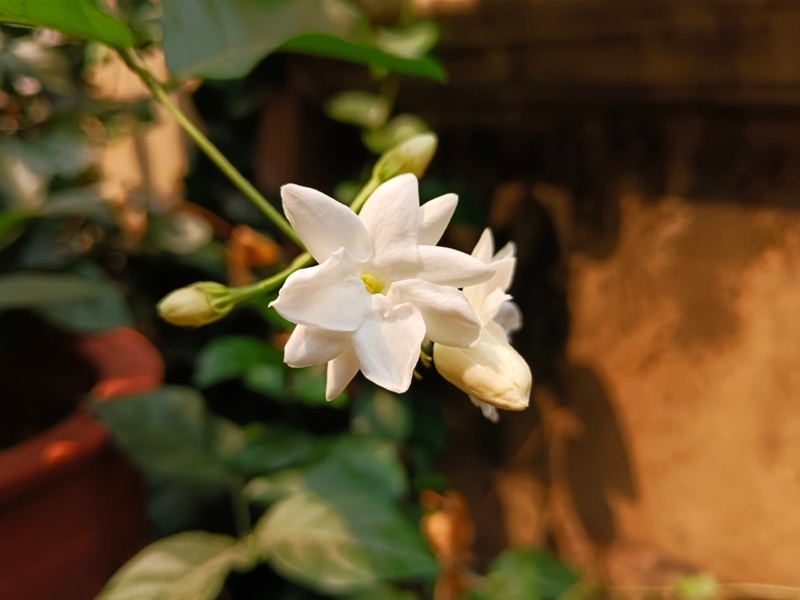
There are a few plants that can rival the exquisite floral qualities of various jasmine varieties, offering a classic scent and a luxurious appearance. From long vines to small shrubs, there is an immense variety of jasmine species available for today’s gardeners. These plants can produce fragrant flowers year-round. This guide will be an excellent resource as you set out to find the best jasmine for your garden.
Jasmine varieties can be divided into two groups: winter and summer. These two types of jasmine include numerous varieties that may share some characteristics but differ in seasonality, size, shape, color, and fragrance.
Jasmine is an ancient symbol of beauty, love, and peacefulness in many cultures throughout history. The lovely white, yellow, and pink, fragrant jasmine flowers are considered very romantic, making it a popular ornamental flowering plant worldwide. Let us consider the most attractive types of jasmine plants for your home.
You may be surprised to learn how many types of jasmine there are. There are over 200 species of Jasminum, which exhibit an incredible range in growth patterns, flower shapes, and scent intensity.
Commonly referred to as Common Jasmine, the plant is a vigorous climber that has large, sweetly fragrant white flowers, which are easy to spot. This variety blooms from late spring into summer and prefers full sun.
When talking about classic jasmine varieties, this is often the first one mentioned.
Arabian jasmine is a favorite in tropical areas. This variety is one of the fanciest varieties, and its beautiful waxy white flowers are used in perfumes and teas.
One of the most popular varieties of jasmine to use in containers or on patios.
Winter Jasmine is an exceptional type of Jasmine Plant because, unlike most other plants in the same family, Winter Jasmine flowers feature bright yellow blooms that do not have a strong aroma or scent. However, Winter Jasmine stands out from other jasmine varieties for its ability to bloom in winter.
Star Jasmine is not considered true jasmine; however, because of its fragrance and appearance, it is often associated with jasmine plants when people talk about jasmine plant types.
People will often ask how many different types of jasmine plants exist, and many will mention Star Jasmine, even though they are not of the same botanical family.
Don’t Miss This: How Cocopeat Enhances Soil Quality and Plant Growth
Different types of jasmine are available with varying characteristics; deciding which plant to use depends on your climate, personal fragrance preferences, and the appearance of your landscape.
Pink Jasmine is a fast-growing vine with pinkish flower buds, which develop into white flowers, a remarkably beautiful variety. In addition to its strong scent, this plant is ideal for indoor growing and will quickly cover an area.
For a bright, elevated landscape, use Italian Jasmine, which produces bright yellow flowers to provide a splash of cheerful brightness. This plant has less fragrance than some other varieties, but it is still very lovely. It is classified as a semi-evergreen shrub, making it easy to care for, and it does well in temperate climates.
There are so many varieties of jasmine that you can make combinations of two or more species throughout the entire year, displaying beautiful plants whether in trailing white vines or bright, af gold in winter.
To enjoy a beautiful bloom and scent, it is important that you learn to properly care for a jasmine plant, which, fortunately, is relatively easy for most varieties.
Jasmine plants are generally full to part shade sunlight lovers (except for a few species) therefore jasmine plants do best when they receive a minimum of 6 hours of direct sunlight per day and will perform the best if they are growing up against a trellis or fence.
Jasmine plants grow best in well-draining soil amended with organic matter, as they do not like their roots submerged in water. Providing a way for excess water to drain away from a jasmine plant's root system is one of the key factors to effective jasmine care.
Although jasmine is drought-tolerant once established, it is preferable to maintain a regular watering schedule throughout the growing season. Consistent watering will help support blooming buds.
To keep a jasmine plant growing bushy and producing an abundance of flowers, prune it after it finishes blooming. Pruning is also a key component of caring for your jasmine plant.
Balanced fertilizers should be applied to jasmine plants during spring and summer to increase flowering levels across the various types of jasmine.
Depending on the climate you live in and what you want to accomplish with your jasmine plant, there is a wide variety to choose from. Here is a quick overview of some of the best types of jasmine for various occasions:
Given the wide variety of jasmines available, consider the size of your space and how much time you want to spend maintaining your plants. Each ornamental plant has its own unique and fragrant characteristics, and by combining several different jasmine varieties into one cohesive group in your garden, you will create a layered appearance. Climbing vines and shrub-like varieties are great ways to create depth and seasonal interest in the landscape.
You Might Like This: How to Identify and Treat Leaf Blight in Your Garden
What makes Jasmine plants so popular? One main reason is their sensory behavior. Jasmine's fragrance can enhance any outdoor space, such as a patio, balcony, or entrance. Additionally, jasmine flowers are used in fragrant oils, tea, and ceremonial events.
Since there are so many beautiful jasmines, flower lovers love to use jasmine plants in their gardens. You can enhance the look of a romantic patio or tranquil retreat by carefully selecting the right jasmine variety for your landscape design.
Your knowledge of how to care for a jasmine will help minimize flowers that drop off and improve the appearance of its leaves. As you learn about caring for jasmine, you will discover a wide variety and find it interesting to learn more about all the types available.
Learn More Here: Tropical Plant Care: Essential Tips for Healthy Growth
Jasmine plants come in all shapes and sizes. From climbers to small shrubs and everything in between, each type is unique and filled with beauty and fragrance. The number of Jasmine species worldwide demonstrates the genetic diversity of these popular plants. By carefully choosing from among the many types available, giving special attention to the care of these plants, and learning the various types of jasmine flowers, you can build a beautiful and memorable garden with jasmine plants.
Your selection of plant varieties is limited only by your imagination. Regardless of your selection, all jasmine varieties will provide you with beautiful flowers for many years. With thoughtful selection and consistent care for your selected variety, you'll have created an oasis of fragrance in your own backyard using jasmine.
There are approximately 200 separate species of Jasmine worldwide (most of which are in the Jasminum genus). All of these types offer many different characteristics, such as scent, color of flowers, type of growth (varies from being very bushy to being vine-like,) and can survive in either tropical or temperate/colder climates (depends on the species).
The four most common types of Jasmine to grow in home gardens are Common Jasmine, Arabian Jasmine, Pink Jasmine, and Winter Jasmine - these four varieties are popular because they produce a very strong scent, have an attractive flower, and can adapt to growing as container plants or being trained up a trellis or archway, and can also be use as a part of a landscape design.
The best way to care for Jasmine plants is by providing them with full sun exposure (at least 6 hours), well-draining soils (i.e., potting soil or soilless medium), moderate watering (do not overwater), applying a balanced fertilizer (preferred generic; i.e., 10-10-10) at the start of each growing season (Spring) and pruning all of your finished flowers back at the end of the blooming season (by April/May). These are all the necessary items for growing healthy Jazz plants, producing a large amount of flowers, and maintaining the fragrance throughout the blooming period.
This content was created by AI